Real-Time Clinic Queue Management for Outpatient Healthcare
TL;DR
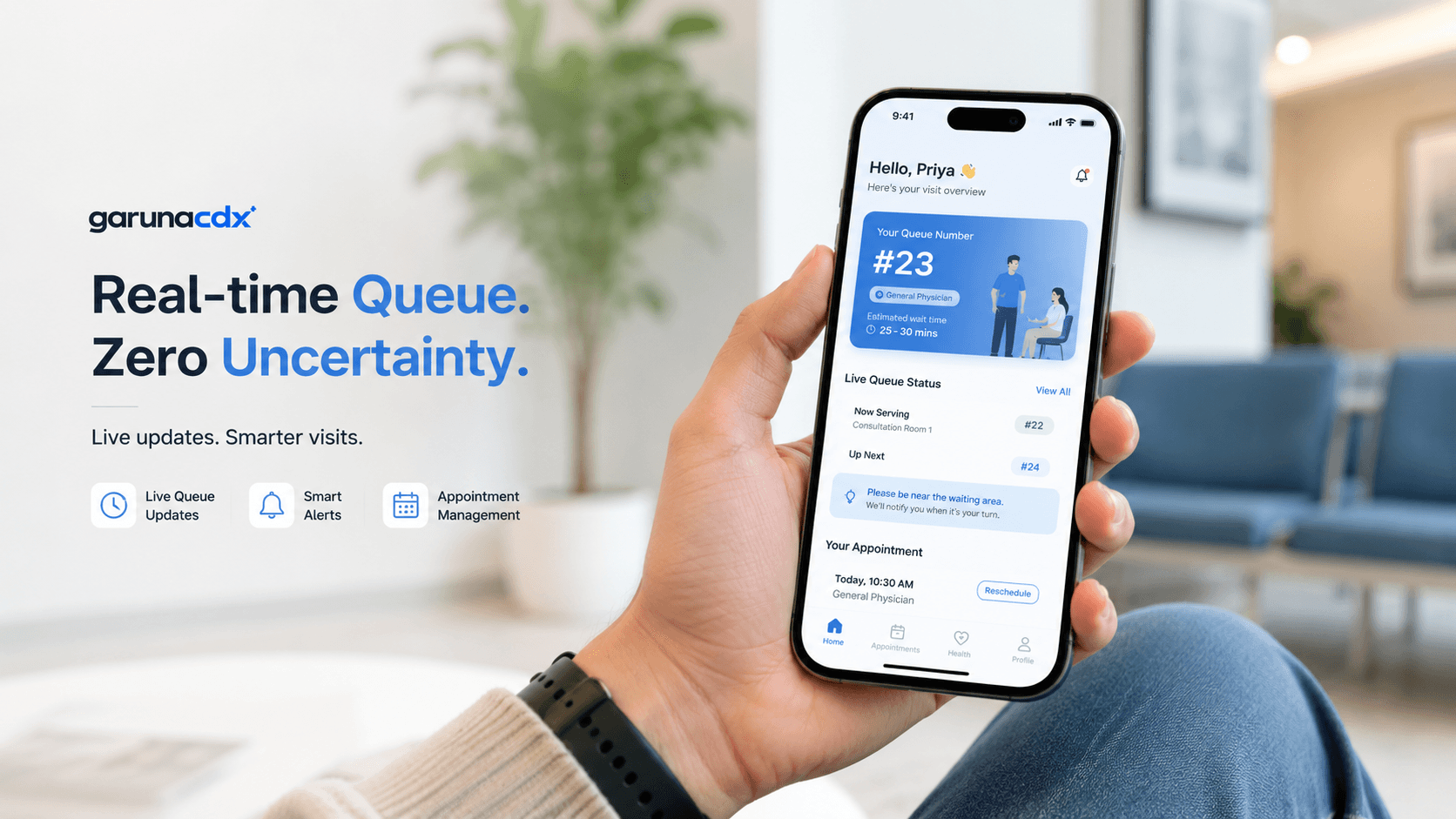
A Client approached us to solve a problem every outpatient clinic in Indian cities shares: patients wait 45–90+ minutes with zero visibility into how long the wait will actually be. We built a real-time queue management platform — a patient mobile app, a clinic reception dashboard, and a doctor dashboard — sharing one Supabase backend, delivered in a 30-day MVP build. The result: clinic staff can run a live, transparent queue instead of a paper list or a WhatsApp group, and patients can see exactly where they stand without calling the clinic or sitting in a waiting room.
<KeyTakeaways item1="Real-time queue visibility, delivered via Postgres change streams, removed the single biggest source of patient uncertainty at outpatient clinics." item2="A single-writer architecture — where only clinic reception can change queue state — eliminated a whole category of data-consistency bugs before they could happen." item3="Compliance (India's DPDP Act, Apple/Google health-category rules) was designed into the schema from day one, not retrofitted after launch."
The Problem: Invisible Waiting
Outpatient clinics in Indian cities run on a familiar, broken system: a paper register or a receptionist's memory decides who's next. Patients arrive, take a seat, and have no reliable way to know whether they're 10 minutes or 90 minutes from being seen.
Existing platforms in this space solve doctor discovery and appointment booking — finding a doctor, booking a slot — but none of them solve live queue visibility. Booking a 3pm slot doesn't tell a patient whether the clinic is running on time.
What We Built
The platform ships as three connected surfaces sharing a single backend:
1. Patient mobile app (iOS + Android, Flutter)
Patients sign up with phone number and OTP — no password, no email required. They can search clinics and doctors by specialty, view live queue length and estimated wait for same-day bookings, or book a future-dated slot. Once in a queue, their position updates in real time with no manual refresh, and they receive SMS notifications when their position moves — up or down.
2. Clinic reception dashboard (Next.js)
Reception staff log in via phone OTP and operate the queue through a simple three-button flow: check in, start consultation, end consultation. Ending a consultation automatically advances the queue and triggers patient notifications — no manual coordination required. An emergency-insert path handles urgent walk-ins without breaking the queue's integrity.

3. Doctor dashboard (Next.js)
Doctors see their live queue count and order, scoped to whichever clinic they're currently active at if they split time across locations. The dashboard is intentionally read-only: all queue state changes flow through reception, never the doctor.
The Architecture Decision That Mattered Most: Single-Writer Queue State
A tempting early idea is to let doctors advance their own queue — "mark patient done" from the doctor's own screen. We deliberately ruled this out.
Instead, the architecture enforces a single-writer principle: only clinic reception can change queue state. The doctor dashboard is read-only by design. This single decision removed an entire category of concurrency bugs before a line of code was written to handle them — because there was nothing to reconcile.
Real-time updates themselves are delivered via Postgres change streams over websockets (Supabase Realtime), scoped per clinic and per doctor rather than broadcast globally. This avoids the need for a custom Socket.io/Redis layer while still comfortably supporting the concurrency and scale a multi-clinic rollout requires.
Compliance Was Not an Afterthought
Healthcare applications carry a different compliance burden than typical consumer apps, and we treated this as an architectural constraint from the first schema design, not a pre-launch checklist:
- Versioned, granular consent — separate opt-ins for privacy policy, terms, and SMS communications, each timestamped and tied to a policy version, aligned with India's DPDP Act requirements for consent to be specific and unambiguous
- Row-Level Security enforced server-side — every query scoped so that even a compromised frontend cannot return another patient's or another clinic's data
- Notification content designed for lock-screen exposure — messages like "your appointment status has changed" rather than anything naming a doctor or revealing a queue position publicly
- Self-serve account deletion — a hard requirement for both Apple and Google health-category approval, implemented from day one rather than bolted on before submission
Results
- [X] pilot clinics onboarded in [City] within the first [X] weeks of launch
- [X]% of reception staff operating the live queue without ongoing reminders after [X] days — the leading indicator the team used to validate product-market fit
- Real-time queue position updates delivered with [X]-second average latency
- Zero cross-clinic data exposure incidents across [X] months of production use
![Pilot results in [City] clinics](/images/case-studies/%5Bapp-name%5D/results.jpg)
Frequently Asked Questions
Building a health-tech or regulated-industry product and want to talk through architecture or compliance decisions? Get in touch — we're glad to compare notes.
Related case studies
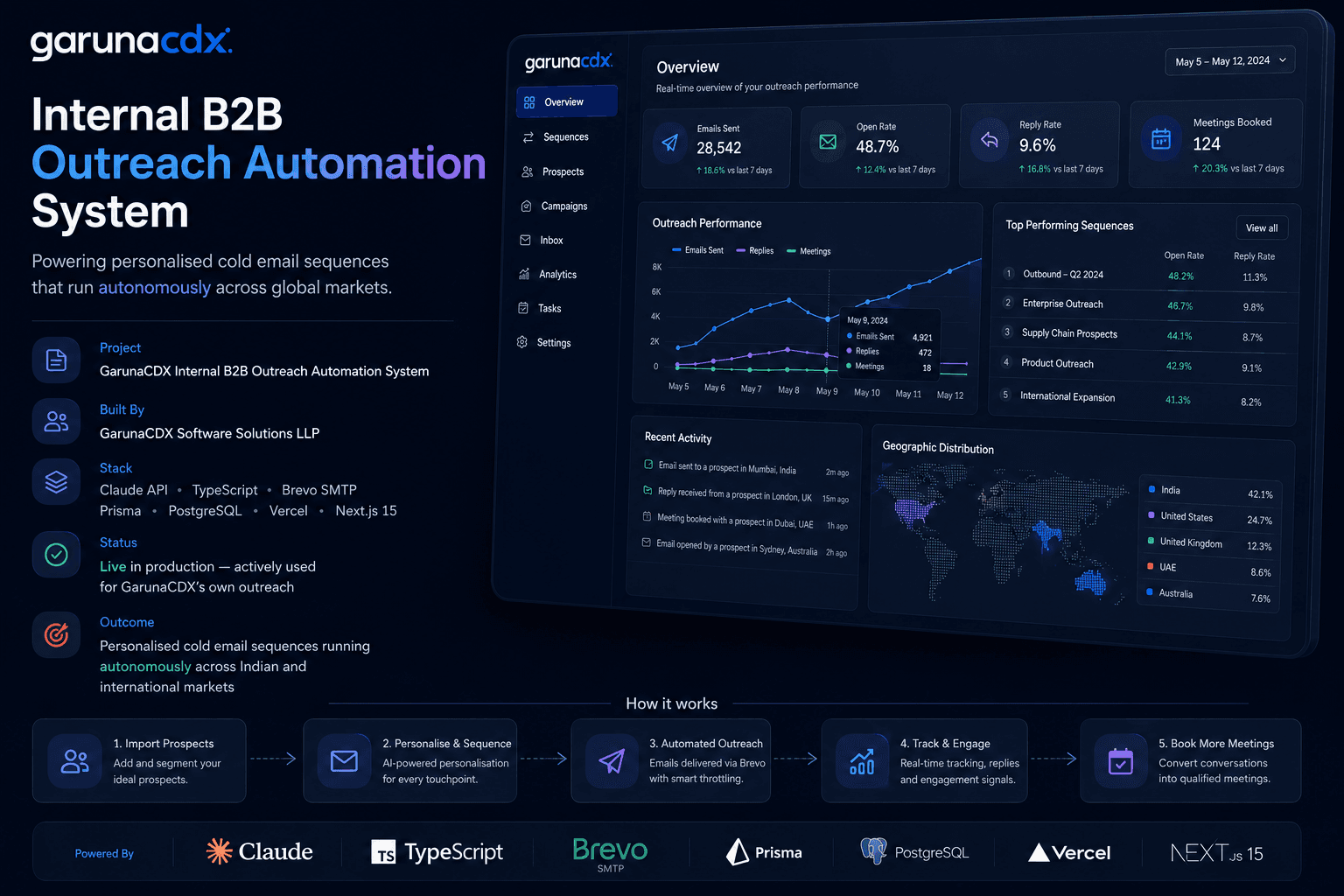
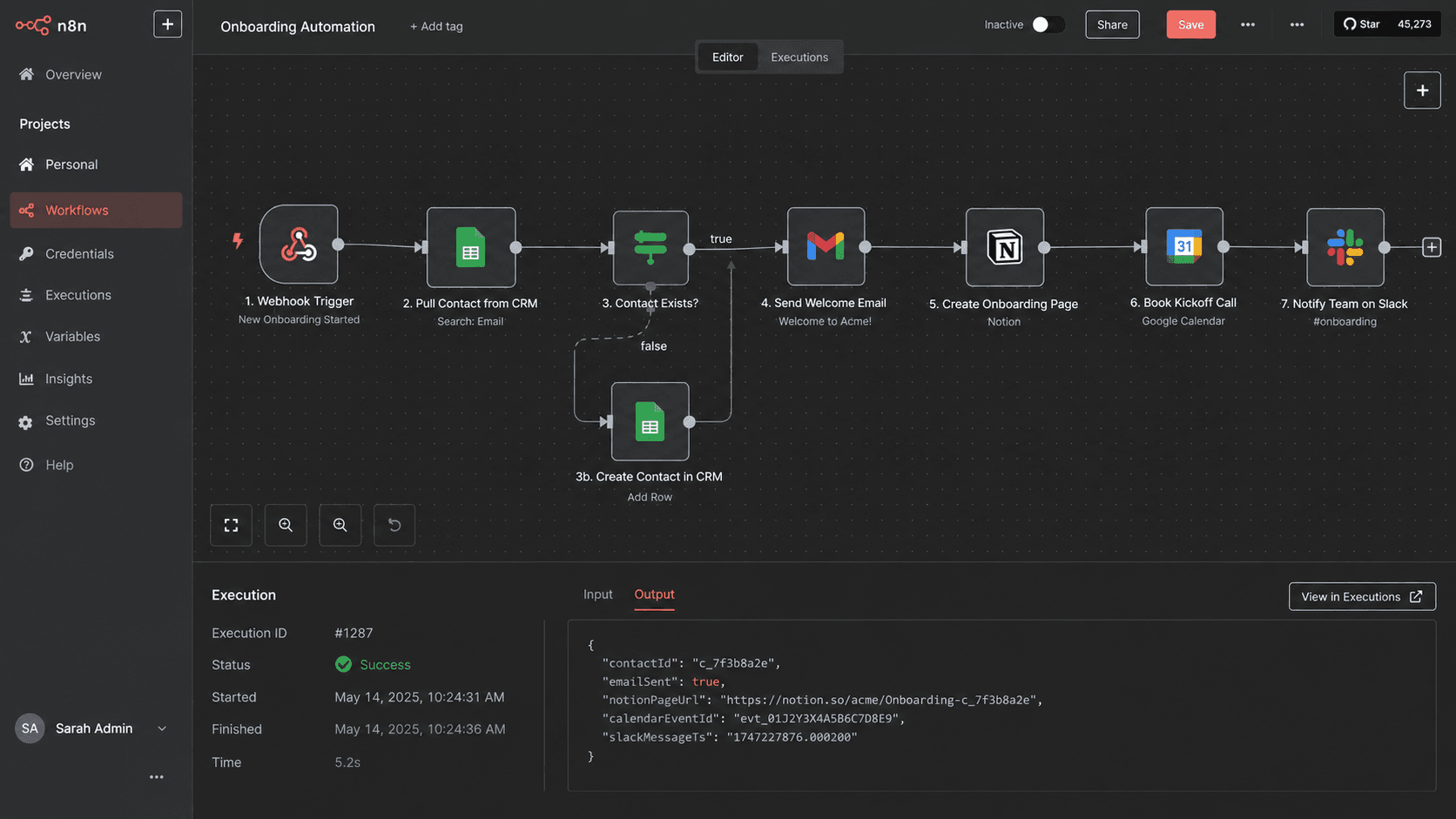
From Manual to Autonomous: How GarunaCDX Deployed an AI Agent System That Replaced 40 Hours of Weekly Operations
ReadRun a business business with similar operational pain?
Tell us your bottleneck — we’ll scope yours in a free 30-minute call.
Free consultation · Reply within 24 hours · No credit card